“Centuries ago, faith in the unknown inspired the elders of Kishtwar to worship their springs. What it would yield was perhaps unfathomed then — but today it is surely evident.”
— mykishtwar.com
Kishtwar — A Land of Sacred Hot Springs
Hot Springs in Kishtwar is blessed with a remarkable number of natural hot springs — locally known as Nags — scattered across its mountains, valleys, and river banks. These geothermal wonders have been sacred to the people of Kishtwar since time immemorial, worshipped as divine gifts from the gods and revered for their extraordinary medicinal properties.
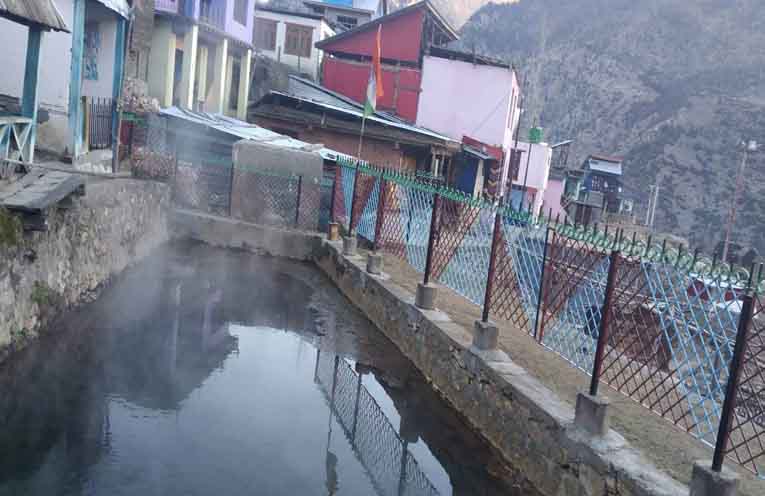
The most famous Hot springs in Kishtwar — Gudresh Nag, Pooti Nag, and Kumai Nag — are deeply woven into the cultural fabric of the district. The hot spring sites of Tatapani Paddar, Tatapani Renai Marwa, Puller Nagseni, and Kiyar Dachhan attract visitors from across the region and beyond, offering a combination of natural therapy, spiritual significance, and breathtaking Himalayan scenery found nowhere else in India.
♨️ Tatapani Renai Marwa
♨️ Puller Nagseni
♨️ Kiyar Dachhan
💧 Gudresh Nag
💧 Pooti Nag
💧 Kumai Nag
Famous Nags (Springs) of Kishtwar
Beyond the major Tatapani sites, Kishtwar is home to several other historically significant springs — locally called Nags — that have been worshipped by communities for centuries. The three most celebrated are:
💧 Gudresh Nag
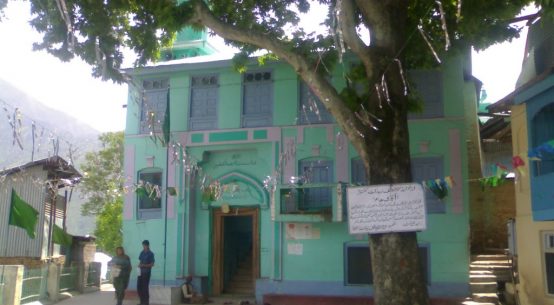
One of the most revered of Kishtwar’s sacred springs, Gudresh Nag is a natural spring of great cultural and religious significance to the local communities. Its waters are considered holy and its surroundings have historically been a place of meditation and community gathering.
💧 Pooti Nag
Pooti Nag is another celebrated spring of the Kishtwar region, known locally for its consistent flow and the reverence in which it has been held since ancient times. Like all Kishtwar Nags, it forms part of the living spiritual landscape of the district.
💧 Kumai Nag
Kumai Nag completes the famous trio of Kishtwar’s most celebrated Nags. These three springs together represent a network of sacred water sites that have defined local worship, health practices, and cultural identity for generations.
Medicinal & Therapeutic Benefits
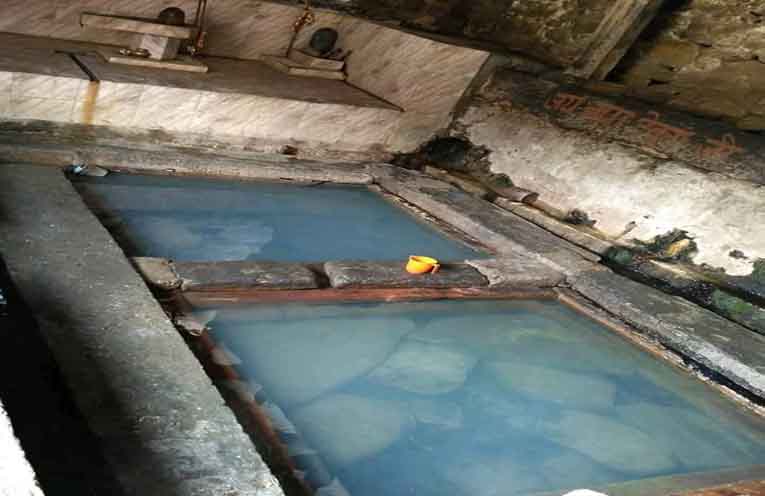
The hot springs of Kishtwar — particularly those at Tatapani Paddar and Tatapani Renai Marwa — are sulphurous springs. Their mineral-rich waters have been used for centuries as natural therapy for a range of conditions. Visitors and local practitioners report benefits including:
💪 Rheumatic & joint pain
🧘 Muscle relaxation
🌡️ Improved circulation
✨ General rejuvenation
💆 Stress relief
Untapped Tourism Potential
“Kishtwar is a nature’s paradise — full of hidden charm, wonderful sites and spots, health resorts, tourist locations, and famous historical and religious places. The whole region has fabulous potential for the tourism industry which has been neglected for decades.”
— mykishtwar.com
💡 Did you know? The ancient stone temple at Tatapani Paddar houses not just Hindu deities but also a three-inch tall Buddha statue — a remarkable testament to Kishtwar’s multi-faith heritage. The temple’s wooden construction follows an architectural style from Spiti Valley — evidence of the ancient cultural connections between Kishtwar, Ladakh, and Himachal Pradesh that long predate modern administrative boundaries.
Related Topics
Tatapani Paddar
Tatapani Marwah
Kiyar National Park
Gudresh Nag
Pooti Nag Kishtwar
Sheshnag Tatapani
Sulphur Springs J&K
Kishtwar National Park
Hangul Musk Deer Dachhan
Tourism Kishtwar
mykishtwar.com
Tourism & Natural Heritage Series |
mykishtwar.com
· Kishtwar, Jammu & Kashmir, India