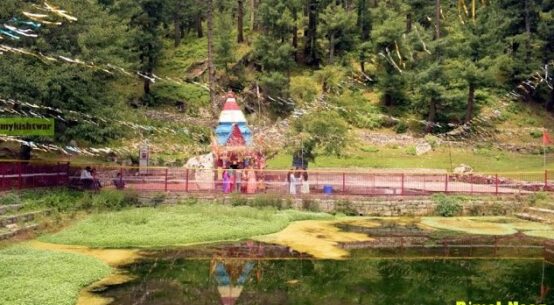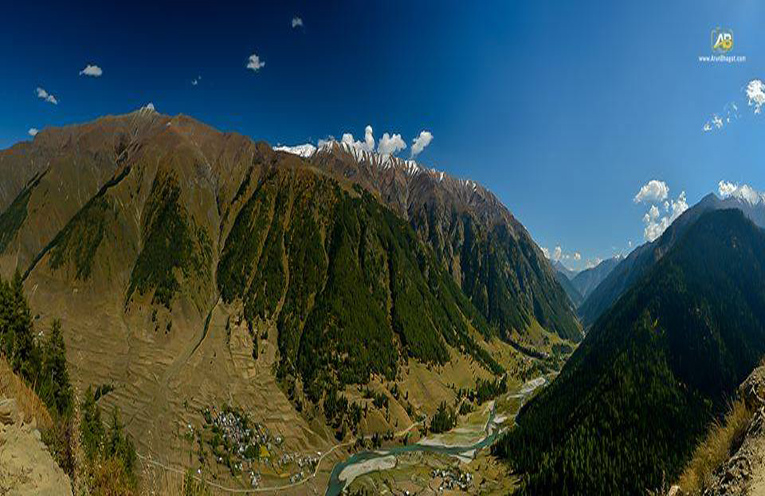
“About the verdant and smiling valley of Warwan, words fail me to describe its natural beauty. In fact, Warwan valley surpasses all other beautiful places located in this tourist circuit — a pristine wilderness where snow-capped Himalayan giants, lush green meadows, glacier-fed rivers, and centuries-old mountain traditions exist in perfect, undisturbed harmony.”
Tehsil Warwan is one of the most scenic and remote tehsils of District Kishtwar and falls under the administrative jurisdiction of the Marwah Sub-Division. Nestled amidst the lofty ranges of the Great Himalayas, Warwan is often regarded as one of the most beautiful yet least explored valleys of Jammu and Kashmir. The valley is celebrated for its breathtaking landscapes, snow-clad mountains, lush green meadows, dense forests, sparkling streams, exceptional trout fishing, world-class trekking routes, and a rich, authentic mountain culture.
Due to its geographical isolation and very limited connectivity, Warwan has remained largely untouched by mass tourism, preserving its pristine natural beauty and traditional way of life. The valley is widely considered a paradise for experienced trekkers, nature lovers, photographers, and adventure enthusiasts — and trekking organisations describe the Warwan Valley trek as “the most exquisite trek in our country — there is no trek you would have done before this that can match the experience.”
Geographical Location & Administrative Profile
Warwan Tehsil lies in the northern part of District Kishtwar, in the Chenab Valley region of Jammu and Kashmir. The valley is situated at an average elevation of approximately 2,100–2,200 metres (around 7,000 feet) above sea level and is surrounded by towering Himalayan mountains, alpine meadows, and glacial passes. The tehsil headquarters is Mulwarwan town, located 68 km from the District Headquarters at Kishtwar.
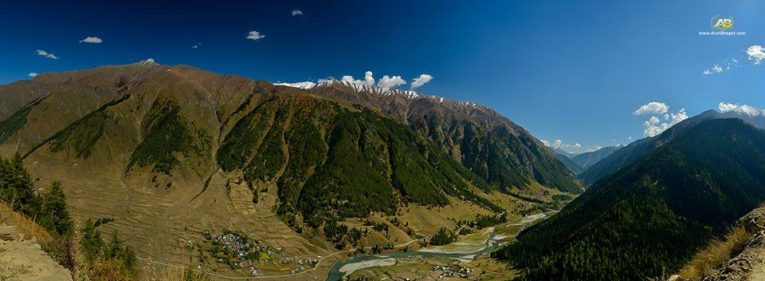
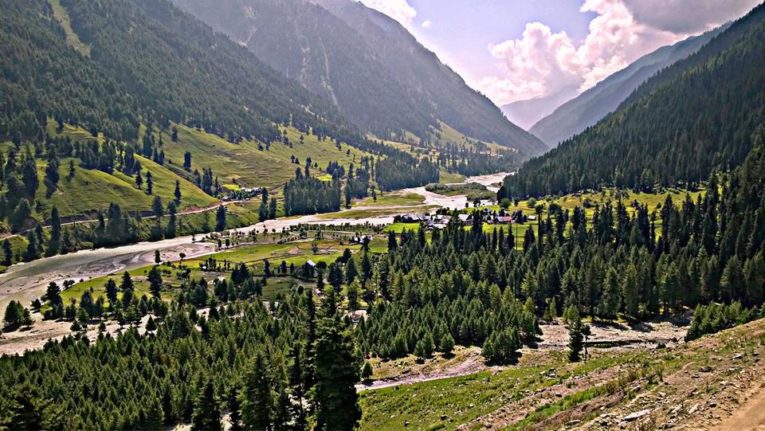
The valley is traversed by the Warwan River (the upper reach of the Marusudar / Mariv Sudir), which meanders through the 15–20 km stretch between Inshan and Sukhnai in a zig-zag pattern, forming natural parks with lush green meadows on either side — ideal for camping during summer. Several glacial streams feed the Warwan River and ultimately contribute to the Chenab river system downstream.
District: Kishtwar |
Sub-Division: Marwah |
Tehsil HQ: Mulwarwan |
UT: Jammu & Kashmir
Distance from Kishtwar: 68 km |
Distance from Srinagar: 89 km (via Margan Top) |
PIN: 182205 |
Post: Palmar
Borders & Boundaries
Kashmir Valley & High Himalayan Ranges
Ladakh & Zanskar Mountain Regions
Marwah Tehsil, District Kishtwar
Shangus, Pahloo & Achabal Tehsils, Anantnag (Kashmir)
Margan Top — The Gateway Pass to Warwan
The only motorable approach to Warwan Valley from the Kashmir side is through Margan Top (also known as Margan Pass) — a magnificent high-altitude mountain pass standing at 4,470 metres (14,665 feet) above sea level. From Inshan village, the ascending motorable road leads directly to Margan Top, from where the descending road takes travellers to Anantnag in the Kashmir Valley.
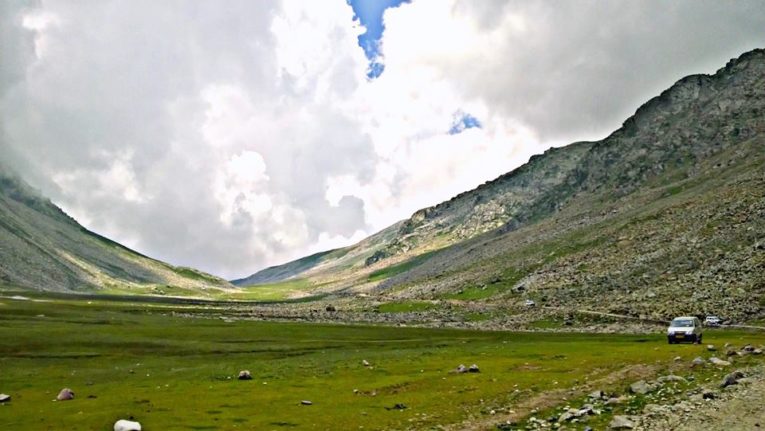
Margan Top offers a stunning 360-degree panorama of lush meadows, treacherous forests, the entire Warwan Valley below, and the magnificent Nun Kun peaks in the distance. Four exquisite small alpine lakes — locally known as Choharnag — adorn the pass, situated 3 kilometres from the primary road. At the summit, these high-altitude lakes create an atmosphere of extraordinary serenity, while vibrant wildflowers blanket the surrounding meadows in summer.
Margan Top — Key Facts
- Altitude: 4,470 metres (14,665 feet) above sea level
- Connects Warwan Valley (Kishtwar) with Kokernag (Anantnag) in South Kashmir
- Located 112 km from Pulwama and 45 km from Kokernag
- Panoramic views of Warwan Valley, Nun Kun peaks, and distant Zanskar ranges
- Four high-altitude lakes — Choharnag — located 3 km from the main road at the summit
- Thousands of sheep and goats graze the expansive grasslands in summer, tended by Gujjar and Bakerwal tribes
- Seasonal pass — open June to October; closed in winter due to heavy snowfall
Weather & Climate of Warwan Valley
Warwan experiences a typical high-altitude Himalayan climate. As the valley sits above 7,000 feet and is surrounded by Himalayan glaciers, it is colder than the neighbouring Marwah Valley. High-altitude crops such as grim and codra are grown here because wheat and common paddy varieties cannot survive the extreme altitude. The best time to visit is May to September.
The Warwan Valley — Nature in Its Purest Form
The Warwan Valley stretches from the gateway village of Dassbal — situated at above 7,000 feet, where Shia Muslims who migrated from Zanskar (Kargil) settled centuries ago — northward through Inshan, Branyan, Mulwarwan, Basmina, Margi, Gumri, and Sukhnai. The 15–20 km stretch from Inshan to Sukhnai is considered the scenic heart of the valley, where the Warwan River (Mariv Sudir) meanders through lush meadows in a zig-zag pattern, forming natural parks ideal for camping and nature exploration.
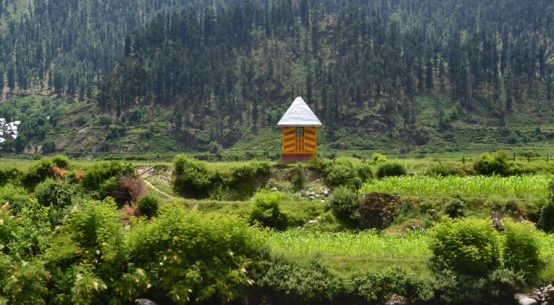
The traditional wooden houses of Warwan strongly resemble Kashmir Valley architecture — steeply pitched wooden roofs designed specifically to withstand the heavy winter snowfall at this extreme altitude. In summer, the valley comes alive with a great hustle and bustle as thousands of Bakerwal families migrate from the plains of Jammu and from the Kashmir Valley, bringing their flocks of sheep, goats, and herds of cattle to graze on the extensive high-altitude alpine pastures.
Horse riding is the most beloved hobby in Warwan Valley. High-breed horses are available throughout the valley and the bridle path from Nowpachi onward — ascending through dense forest, thick plantation, and lush green pastures — is considered one of the finest horse-riding trails in the entire Himalayan region. Many travellers enjoy the gentle ascent on horseback, making it one of the most memorable experiences Warwan has to offer.
Tourist Places & Attractions in Tehsil Warwan
Warwan’s tourism appeal rests on its extraordinary unspoiled natural landscape, its gateway to the Nun Kun massif, and its role in some of the finest trekking circuits in all of India. The valley has close to 7 entry points accessible via different passes from both the Kashmir and Kishtwar regions — making it one of the most route-rich Himalayan valleys for adventure travellers.
🏔️ Margan Top (Margan Pass)
The principal gateway to Warwan Valley at 4,470 m. From its summit, spectacular views of the Warwan Valley below and the Nun Kun peaks beyond are available. Four high-altitude lakes (Choharnag) adorn the pass. A must-visit on the Kishtwar–Marwah–Warwan–Anantnag tourist circuit and the popular starting point for trekkers arriving from the Kashmir side.
🏔️ Nun & Kun Peaks
The famous mountain peaks Nun (7,135 m) and Kun (7,877 m) — two of the highest peaks in the Pir Panjal and Zanskar ranges — can be reached from Sukhnai village in Warwan by crossing the Lanwilla Pass. These peaks have drawn international mountaineers to the valley for decades and are visible in all their glory from Margan Top on a clear day.
🍽️ Warwan River — Trout Fishing
The Mariv Sudir (Warwan River) is celebrated for producing exceptionally high quality trout — each fish carrying a unique rainbow colour and weighing between 2 kg and 6 kg. The river is considered one of the finest freshwater fishing grounds in J&K, with immense potential for organised trout fishing and angling tourism that has yet to be fully developed.
🌿 Alpine Meadows & Inshan Valley
The lush green meadows of the Inshan Valley are among the finest alpine landscapes in the Chenab Valley region. Covering the 15–20 km stretch from Inshan to Sukhnai, these meadows — with the Warwan River meandering through them — form natural campsites ideal for trekkers. The slopes between Gumri, Rikanwas, Margi, and Basmina are identified as ideal sites for winter sports including skiing, ice-skating, and ice-hockey.
🏠 Inshan Village — Gateway of Warwan
Inshan is the principal village and former block headquarters of the Warwan area. A major village with a general store and banking facilities, it serves as the main base for trekkers and visitors entering the valley. Inshan homestays have recently opened, offering visitors a complete cultural experience of how life is lived in this remote Himalayan valley.
⛰️ Dassbal — Gateway Village of Warwan
Situated at above 7,000 feet, Dassbal is the first settlement encountered when entering the Warwan Valley from the south. The village is inhabited by Shia Muslims who migrated from the Zanskar area of Kargil district — people with their own unique customs and traditions, quite distinct from the majority Sunni Muslim population of the broader Warwan Valley. This cultural diversity adds a fascinating dimension to the valley’s heritage.
Trekking Routes Through Tehsil Warwan
Warwan Valley is the centrepiece of some of the most celebrated Trans-Himalayan trekking routes in India. The valley has close to 7 different entry points accessible via passes from the Kashmir and Kishtwar regions, making it one of the most versatile and route-rich Himalayan trekking destinations in the entire country. The Warwan Valley trek reaches its highest point at the Lomvilad Pass (14,550 feet) — a challenging high-altitude crossing for experienced mountaineers.
Major Trekking Routes — Warwan Valley
- Kishtwar–Marwah–Warwan–Margan Top–Anantnag (6-day classic): Stages: Kishtwar → Palmer → Ikhala → Sirshi → Hanzal → Yeerdu → Inshan → Margan Top (4,470 m) → Lehinvan → Anantnag. Grade: Moderate. Season: June–October.
- Kishtwar–Sinthan Top-Vailoo Anantnag – Margan Top-Warwan (6-day classic): Stages: Kishtwar → Chattroo → Sinthan Top → Kokernaag → Inshan → Margan Top (4,470 m) → Warwan . Grade: Moderate. Season: June–October.
- Panikhar (Kargil) → Lomvilad Pass → Warwan Valley: Starting from Panikhar in the Kargil province of Ladakh, the trek crosses the Lomvilad Pass (14,550 ft) into the Warwan Valley. Classified as challenging — demands a high level of fitness with steep ascents, glacier traverses, and high-altitude passes.
- Sukhnai → Lanwilla Pass → Nun Kun Base Camp: From Sukhnai — the last village in Warwan — the Lanwilla Pass opens the route to the base camps of the famous Nun (7,135 m) and Kun (7,877 m) peaks. A classic mountaineering approach used by international expeditions.
- Sukhnai → Kanital → Panikhar (3–4 days): A route westward from Sukhnai connecting Warwan to Panikhar in Kargil district.
- Warwan → Sheshnag (Pahalgam) via left-turn route: Taking a left turn from the main Warwan trail leads to Sheshnag in the Pahalgam area — a route studded with lakes, pristine meadows, and dense forests.
- Warwan → Sinthan Top via Marwah (scenic circuit): From the Warwan side, trekkers can connect to the Sinthan Top via Chatroo — a route with approximately 8 alpine lakes en route, considered one of the most visually spectacular circuits in the Chenab Valley.
Flora, Fauna & Biodiversity
The forests and alpine meadows of Warwan support a remarkable range of Himalayan biodiversity. Large areas are covered with thick pine forests, while deodar trees, medicinal herbs, and rare herbal plants are also found in abundance. The dense forest slopes are home to wild animals including stag, ibex (Kail), Himalayan thar (mountain goat), leopard, porcupine, and other mountain species.
🌿 Flora of Warwan
- Dense Pine forests (dominant cover)
- Deodar Cedar trees
- Alpine grasses and seasonal wildflowers
- Medicinal herbs and herbal plants (abundant)
- Walnut and Potato cultivation near villages
- High-altitude crops: Grim, Codra, Rajmash
🐕 Wildlife of Warwan
- Stag (Red Deer)
- Ibex (Kail)
- Himalayan Thar (Mountain Goat)
- Leopard and Brown Bear
- Porcupine and small mountain mammals
- Himalayan pheasants and migratory bird species
Economy, Agriculture & Culture
Agriculture and livestock rearing form the backbone of the local economy in Warwan. The extreme altitude limits the range of crops that can be cultivated — high-altitude varieties such as grim, codra, potatoes, and local paddy thrive here, while wheat and modern pulses cannot. Potatoes from Warwan are particularly celebrated — described by historical accounts as “plenty and very tasty.” Rajmash (kidney beans) and walnuts are also important produce.
The people of Warwan maintain a simple and traditional mountain lifestyle preserved through centuries of geographic isolation. The valley is home to both Sunni Muslims (the majority) and Shia Muslims (in Dassbal village, descended from Zanskar migrants). Kashmiri and Urdu are the primary languages spoken. Traditional wooden houses, rich folk traditions, community-based social life, distinct mountain cuisine, and strong hospitality characterise the cultural fabric of Warwan.
The Warwan River (Mariv Sudir) is known for producing exceptionally high-quality rainbow trout, each carrying a unique rainbow colour and weighing between 2 kg and 6 kg. Fishing as a commercial trade and eco-tourism activity could significantly benefit the economic future of the valley’s communities. Warwan is also one of the few places in J&K where Nopachi (Nowpachi) could serve as a base camp for mountaineering expeditions to the Nun Kun peaks via Tata Pani.
Educational Institutions in Tehsil Warwan
Despite its extreme remoteness, Warwan has several educational institutions serving its scattered village communities — a testament to the Government of J&K’s commitment to reaching the most isolated Himalayan settlements.
Village-wise Census Data — Tehsil Warwan (2011)
The following table provides complete village-wise demographic data from the Census of India 2011 for all recorded villages of Tehsil Warwan, covering population, sex ratio, literacy rates, and caste/tribe composition.
How to Reach Tehsil Warwan
Warwan is one of the most remote tehsils in Kishtwar and can only be accessed by crossing Margan Top. There is no motorable road directly connecting Warwan to Kishtwar town; the primary route is via the Kashmir side through Anantnag. The valley is typically accessible between April and October. Mobile network coverage is extremely limited or unavailable in most of Warwan.
Best Time to Visit Warwan
Why Tehsil Warwan Is Truly Special
Top Reasons to Visit Warwan Valley, Kishtwar
- One of the most pristine and unexplored valleys in all of Jammu and Kashmir
- Gateway to the famous Nun (7,135 m) and Kun (7,877 m) peaks via Lanwilla Pass from Sukhnai
- Margan Top (4,470 m) — a spectacular high-altitude pass with panoramic views and four alpine lakes (Choharnag)
- The Warwan Valley Trek — described as “the most exquisite trek in India” by leading trekking organisations
- World-class rainbow trout fishing on the Warwan River (Mariv Sudir) — fish weighing 2–6 kg
- Exceptional horse riding on the bridle path from Nowpachi through dense forests and alpine pastures
- The vibrant spectacle of thousands of Bakerwal and Gujjar families arriving with their livestock each summer
- Unique cultural diversity — Shia Muslim community at Dassbal (descended from Zanskar migrants) alongside Sunni Muslim majority
- Potential for water sports — rafting, kayaking, canoeing, and water skiing on the Warwan River
- Rich biodiversity — stag, ibex, thar, leopard — and some of the finest alpine meadows and pine forests in the Chenab Valley
Nearby important tourist destinations visible from Warwan and accessible via the Margan Top road include Daksum, Kokernag Waterfall, Verinag Waterfall, Anantnag, and — for the most adventurous — the base camp approaches to Amarnath via left-turn routes off the Warwan trail. This positions Warwan uniquely as a valley that connects the Kishtwar–Chenab world with the most celebrated pilgrimage and tourism destinations of the Kashmir Valley.
Related Tags
Warwan Valley Kishtwar
Warwan Valley Trek
Margan Top Pass
Nun Kun Peaks
Mulwarwan Village
Inshan Warwan
Sukhnai Village
Warwan River Trout
Choharnag Lakes
Bakerwal Migration
Lomvilad Pass
Kishtwar Tourism
Chenab Valley J&K
Related Topics on mykishtwar.com
Tehsil Chatroo
Kishtwar National Park
Adventure Tourism Kishtwar
Tourist Circuits Kishtwar
Sinthan Top Guide
Tehsil Atholi (Paddar)
How to Reach Kishtwar
| Established 2011 | Kishtwar District, Jammu & Kashmir, India
| contact@mykishtwar.com
| +91-7006607991